
Walk alone
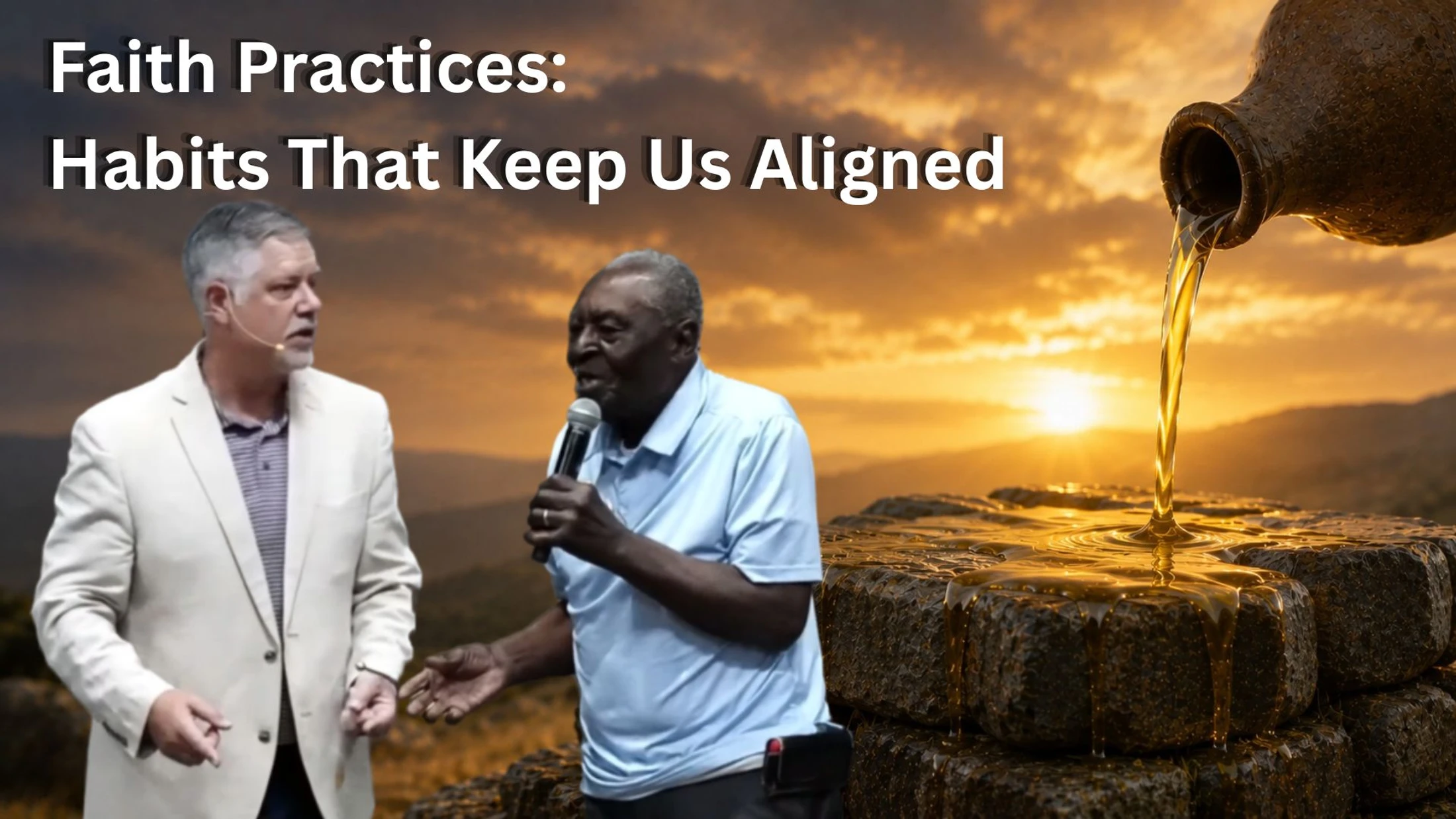
You Are Not Meant to Walk Alone: Reclaiming the Heart of Brotherhood and Sisterhood in the Church
What if the most powerful thing God wants to use in your life isn't a sermon, a book, or even a quiet moment alone with Him — but the person sitting next to you in church? What if revival, transformation, and the fullness of everything God has for you is locked up in a relationship you haven't built yet?
The Enemy Knows What You Need
I want to be honest with you about something. The enemy is not random in his attacks. Right now, he is targeting two major things: the family and the church. And it's no surprise. "If he can attack the church — the thing that will help and strengthen you, that will help guide you, that will help you walk through this life — if he can attack the church and get people away from the church, he wins."
Because we are called to be sheep. And sheep are only safe when they're in the flock.
In this day and age, there's a growing movement of deconstruction — people saying, "I can grow stronger outside of the church." But that's simply wrong. It's convinced the world, "I don't need the church as much as I used to." And it's costing us everything.
What "Brother" and "Sister" Really Means
When I moved from Oregon to Chicago and started attending a Church of God congregation, my wife warned me: "When we go visit my dad's church, make sure you address everyone as brother or sister — if you don't, it's a sign of disrespect." At first, I thought it was odd. Antiquated, even.
But here's what I didn't understand yet: the number one way the church is called in the New Testament is by the terms "brother" and "sister." And in the early church, it wasn't even about respect. It was about relationship.
When you accept Jesus Christ as your personal Savior, something fundamental changes. You are adopted. You become a child of God. But what we often miss is this: the moment you become a child of God, you also gain brothers and sisters. As Paul writes in Galatians 3:28, "There is neither Jew nor Greek, there is neither slave nor free, there is no male nor female, for all are one in Christ Jesus."
Paul was writing to a church that had started segregating itself — Greeks over here, Jews over there, slaves in the back, free people up front. And God says: No. You are one family now.
When the Church Became a Family, Revival Broke Out
We saw this at Azusa Street in 1906, the birthplace of the modern Pentecostal movement. The color lines were erased because of the blood of Christ. Black and white and Hispanic, male and female — all together in one church, three services a day, for years. "It didn't matter that William Seymour, a Black man, was on the pulpit preaching while a white man sat there, just saying, 'Holy Spirit, speak to me.'"
And every time throughout history the church returned to this brother-sister concept, "revival broke out. The Holy Spirit broke out. Tongues and interpretations, miracles, signs, and wonders. And even greater than that, those who were saved were added to their number daily because the church became a family."
Jesus didn't say the world would know us by our church attendance. He said they would know us by our love for one another (John 13:35).
We've Lost the Heart of It
Here's where I have to be honest with us. We have turned "brother" and "sister" into terms of respect rather than terms of relationship. We've swapped the word "sir" for "brother" because it sounded more anointed. But the truth is — you are my brother. You are my sister. Not because I respect you, but because we are kin.
I have brothers in my own family, and unfortunately, our relationship isn't good. We only talk on holidays or in a crisis. "Do you know how many funerals I've done where family comes together and says, 'I'm so sad it took a funeral to bring us together'?" And where is the church at today?
Romans 12:10-15 lays it out plainly: "Love one another with brotherly affection. Outdo one another in showing honor... Rejoice with those who rejoice, weep with those who weep." But here's the problem: "If I don't know you're weeping, I can't weep with you. If I don't know you're celebrating, I can't celebrate with you."
Frank's Story: What Happens When the Family Invests
About ten years ago, I met a man named Frank. He had grown up in church, sang on the worship team, done all the things — but he realized he didn't really know the Word. We'd meet at Dunkin' after service on Tuesdays, open the Bible, and talk. For a while, I couldn't get through to him.
Then God grabbed him. He started showing up before service with his Bible open, reading the very passage I was about to preach on. He began calling me almost every Wednesday to talk about what he was reading. Today, he texts scripture to around 60 people — including pastors — every week.
"A man who didn't know this Word was all of a sudden transformed before my eyes from a man who was basically illiterate in the Word to a man who has no problem opening up this Word and understanding what it says." And it wasn't me. It was the Holy Spirit — working through a community, through relationship, through brothers and sisters investing in one another.
"It's only a faithful Christian community that can form faithful Christians."
What This Could Look Like for You
I love the family model. When older siblings invest in younger ones, the younger ones develop faster — they talk quicker, they run sooner. But when a child is isolated, left to sit alone with everything done for them, they stop growing. The church works the same way.
You could be 86 years old and get a new fire in your belly. But "it takes a brother or a sister to speak that. And then it takes us being humble enough to receive it."
What if we walked into church believing God had a message for us — and that it might come from the person sitting next to us? What if we showed up a little early and talked to one another? What if we believed that what God has been speaking to us all week is exactly what someone else needs to hear?
Putting It Into Practice
The global church — especially in North America — has lost the heart of brother and sister. I'm challenging us to reclaim it. Not the title, but the attitude. Here's where to start:
- Know someone's name. At minimum, know who is in the room with you and what's going on in their life.
- Notice when someone is missing. It shouldn't only be the pastor who reaches out. If you notice someone's usual seat is empty, reach out. "Hey, I missed you."
- Find one person you don't know and spend the next month building a relationship with them. Not a hundred people — just one.
- Show up and invest. Faithful community means more than attendance. It means being present enough that people know when you're weeping and when you're celebrating.
- Let God use your words. What He's been speaking to you all week might be exactly what someone else needs to hear. Speak it.
"God desires to use you in such a great way. But it's got to start in the church. It's got to start when I look at my brother, when I look at my sister, and say: How can I pray for you? How can I be there for you? Are you weeping? I'm going to weep with you. Are you shouting for joy? I'm going to shout with you."
The world is trying to tell us this model is outdated. But every time the church has returned to it, God has moved. Let's be that church.